
Let Us Read
And a giveaway of Silence by Shusaku Endo

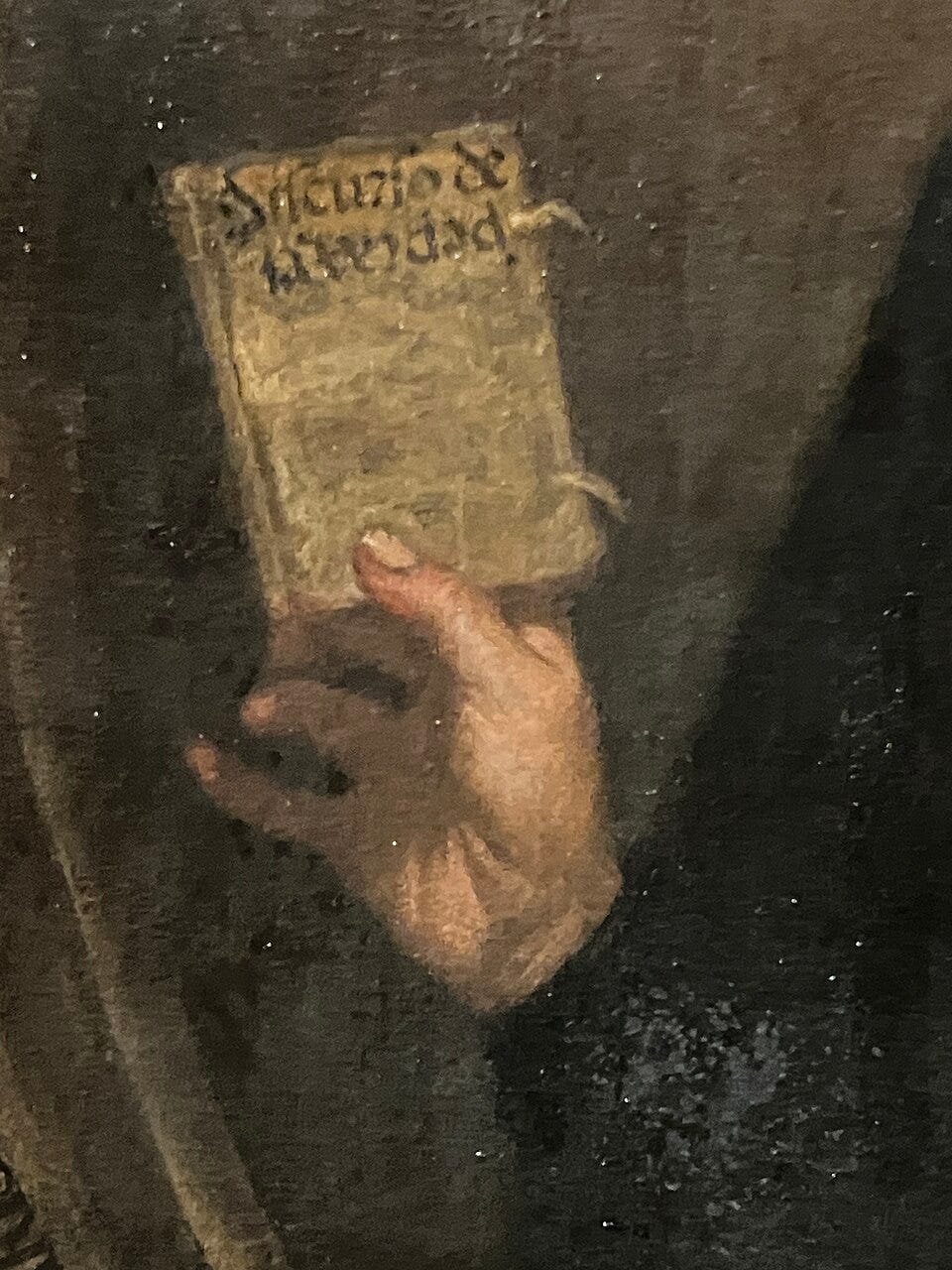

So, you want to read more?
Me too, friend. Me too.
Perhaps you are a reluctant or infrequent reader, and you’re thinking you really ought to read more.
Perhaps you are already a voracious reader, yet you realize perhaps that you could and should read even more.
So, let’s do it. Let’s read more.
But let me be clear: I’m not talking only, or even mainly, about quantity of reading. I’m talking primarily about quality: the quality of what we read and how well we read. Let’s face it: most of us are reading a lot these days that neither requires nor encourages deep attention or reflection. Social media posts, emails, text messages, perhaps an article or two: such reading is far too easily skimmed.
So let’s consider reading more texts of higher quality—even if it means reading fewer pages. Let’s read with more attention, more slowly, more immersively, and more thoughtfully. Let’s read more kinds of books—across genres, time and place, cultures, modes, length, style, and even quality. (To be sure, the occasional low-quality book of little literary merit can be good for the soul. The cheap paperback I picked up this summer in an airport store—something about a kidnapping, an attempted murder, a ransom, and a love affair, oh my!—made for great entertainment while I was floating in the pool under the hot sun. I didn’t even care when the book got wet. When it fell apart just as I was finishing it, I simply placed it in the recycling bin. Earth to earth, dust to dust.)
Let me confess at this point, dear reader, that I am writing these words for myself.
I am an avid reader, a professional reader, a constant reader. But I, too, have suffered the effects of diminished attention span, distraction, and general brain fog that is the gift of the Trojan horse of the digital age. As much as I do read, I could and should read more. I could and should read better and read better things.
Here are some ways I’m trying to do this, perhaps some ways you might, too.
1. DON’T LET THE NUMBERS GET YOU DOWN
I’m not a numbers person (math, ugh!) but sometimes the quantitative serves as handmaiden to the qualitative. If you’re addicted to checking your phone constantly (ahem) then perhaps set the timer on it and commit to reading a book until you hear the ding. Some people track the books they read on apps and with that keep a count of titles read. I admit I’m leery of such measures because they tempt the reader more to focus on numbers rather than words, but I’ve heard some folks say that such records can keep them motivated to read more. But numbers do not measure the quality of the texts, the depth of attentiveness given, or the impression made on your mind or soul. As for me, I don’t even know how to count books since I’m always reading a book for fun, several in parts for research, and countless ones I dip in and out of. I read more for absorption than accounting. I read for love not discipline.
Nevertheless, we might consider taking from whatever amount of time we spend daily or weekly on entertainment (streaming movies, bingeing series, scrolling social media, listening to podcasts, gaming, or whatever)—just 15 or 20 or 30 or 60 minutes, perhaps—and give those minutes to a novel, an epic, a memoir, a play, or a poem.
2. ALWAYS CARRY
In contrast to the abstraction of mere numbers is the physicality of the book. Most of the books I read are on the bigger, bulkier side (whether owing to page count, hardcover format, or both), so I have become intentional about keeping handy smaller, lighter works to put in my purse for any extra moments I might have in a waiting room or on the airplane. I still find it too easy to spend those minutes (or I daresay, hours) checking my email or scrolling social media on my phone, but the first step away from that habit is having the alternative readily available. (Poetry is perfect for this purpose!) David Kern, owner of Goldberry Books, wrote an excellent essay, “Books for Everyday Carry,” with more thoughts on this practice. Carrying a book with me wherever I went was something I did without even thinking about it once upon a time before I had a smartphone. Now it’s a matter of relearning old habits.
3. READ IN COMMUNITY
Think about how most of us learned to read—first, by being read to, then by reading under the guidance of a teacher. It’s a good reminder of just how essential the communal aspect of reading is.
When I was an English professor and got paid to read books and discuss them with my students (Callooh! Callay!), it was easy to read a lot. It was literally my (dream) job. And reading was the students’ jobs too. And, oh how we loved the work! (Admittedly, some of them did not love Pamela, but I digress.)
Every now and then I would warn my sweet, innocent students that college is not real life. This is especially true for English majors. Don’t get me wrong. College is, or can be, excellent preparation for real life. But in the real world of work and family, doing the laundry, vacuuming out the minivan, and putting out fires at work, people don’t sit around and read great literature and discuss it thrice weekly. Whether my students believed me or not when I told them so, I don’t know. But I hear now and then from some of them all these years later who tell me how terribly they miss those halcyon days of reading in community. Me too. Me too.
The good news is that the college classroom isn’t the only space where you can find the magic of reading together. Join or start a reading community (aka book club) with friends in living rooms or coffee shops. Such a gathering might be designed to discuss one book in one meeting, which is a fine model. But when reading more difficult, more literary texts such as classical literature, you might opt to take it more slowly and discuss smaller chunks of the text each time. In other words, you can discuss twelve books over twelve months in one year, or you can take a year to discuss one book in a dozen meetings. I’ve led both kinds of book clubs, one at a university bookstore and one at a local coffee shop. The latter took place as part of a series of community events organized by my church, events led by church members but held off the church grounds in order to be more welcoming to the entire community. This was absolutely my favorite way of serving within my church congregation, and it was a spectacular success.
Then COVID hit.
But COVID turned out to be a boon for readers (at least for those who escaped the very real mental stress of the pandemic which made it harder for many to read books).
Now that we’ve all learned to Zoom (even if expeditiously unmuting ourselves continues to be a struggle), countless online book clubs are available. I’m in an incredible one right now that meets weekly to discuss the work of one particular writer and will do so for a limited period of a few months. The participants are from all over the country, but the group is small, each member chosen by the host based on particular but diverse backgrounds and interests. The organizer’s care in selecting the readings, choosing the participants, and leading the discussions has offered a rich experience—and motivated me to read the works of a writer I might not otherwise have ever gotten around to, but needed to.
On an entirely different scale are book podcasts that are open to anyone to listen to at any time yet still offer a way to schedule the reading of the book under discussion and to read along with others. The Close Reads podcast is an excellent example of this approach. 100 Days of Dante offers another way of reading in community through a multi-media experience that offers scheduling flexibility with installments emailed to you according to a schedule of your choosing from among a few options.
With all this said, I will admit that I don’t listen to a lot of podcasts or watch many videos. I don’t join book clubs on a regular basis. I do listen to audio books mainly because there is not enough time otherwise to enjoy all the books I want to read. For me it is reading alone, bound pages in hand, that feeds my introverted soul and soothes these old friends my nerves.
I suppose this is why I was drawn to another online approach to reading in community and have offered that through my own Substack newsletter, The Priory. There, over the past two years, we’ve ambled through Beowulf, parts of The Canterbury Tales, all of Paradise Lost, The Pilgrim’s Progress, and many other shorter works. The newsletter format is limited in that it’s impossible to cover closely all of a work, even one as short as a sonnet, in writing. But it is a way to read “together” and to communicate about reading through writing. It has been a delight to cultivate a small reading community this way. And Substack is chock full of other newsletters doing similar book clubs in various formats and modes.
4. READ ALONE
One of the things that draws me to reading is the way it is at its best quiet, solitary, and slow. Even though we learn to read in community and long to share that experience with others, mostly, we read alone. Reading is, ultimately, an individual, private, interior event. That interiority is what makes reading so powerful, so important, so worth doing more and doing better.
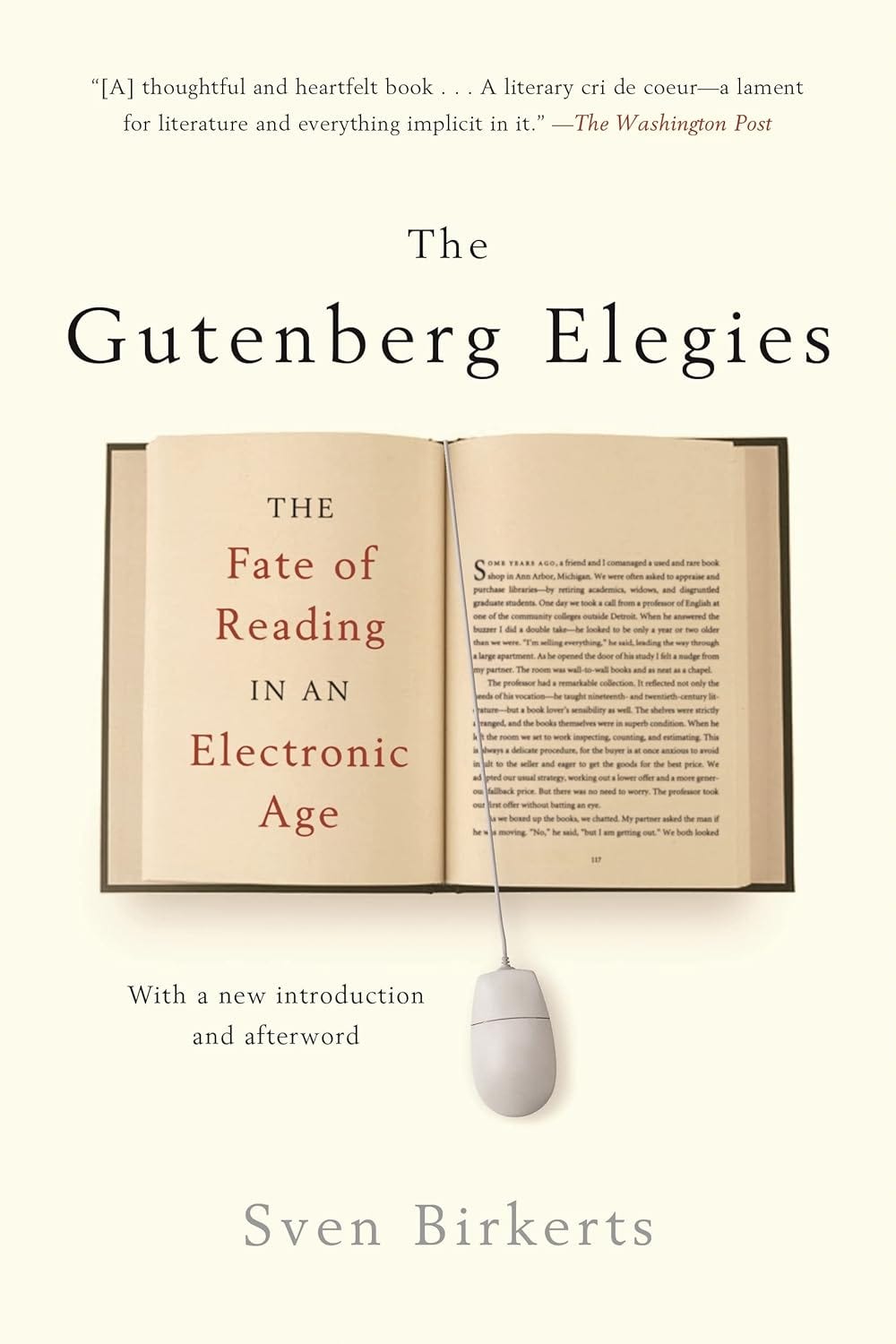
In his introduction to the 2006 edition of The Gutenberg Elegies,1 Sven Birkerts defines imagination as “the animating power of inwardness.” Reading literature, Birkerts writes, is no less than “the age-old practice of addressing the world by way of this inward faculty of imagination.” Reading is “a filtering of the complexities of the real through artistic narrative, reflection, and orchestration of verbal imagery.” With the decline of reading, particularly the decline of reading literature and literary fiction, Birkerts says, the imagination itself is at stake. Through reading, the “subjective self takes in the world and fashions meaning: art and religion are its supreme exertions.”
Birkerts’ elegy is for what has been lost of reading first in the electronic, now in the digital, age. I feel this loss profoundly. I am trying to regain it. It’s not as simple as simply withdrawing from the digital world. Few of us have the luxury of living the life of Wendell Berry, a lifestyle that was a lifetime in the making. But perhaps no matter what kind of life we lead we can peel away some of its digital layers by plunging ourselves more deeply into books—good books, physical books—slowly, quietly, thoughtfully. As Birkerts writes, “The soul needs silence, time, and concentration—precisely what is required by the counter-technology of the book.”
Let us read. Let us read more and let us read well for our very souls.
Next week, we’ll pick up our reading of Gulliver’s Travels with the first two chapters of Part 3. It’s not too late to get caught up if you’re behind! Here are some editions of Gulliver’s Travels I’d recommend (if you purchase through any of these links, I may get a small percentage as an Amazon affiliate):
Please consider supporting the reading done here by becoming a free or paid subscriber to The Priory.
BOOK GIVEAWAY:
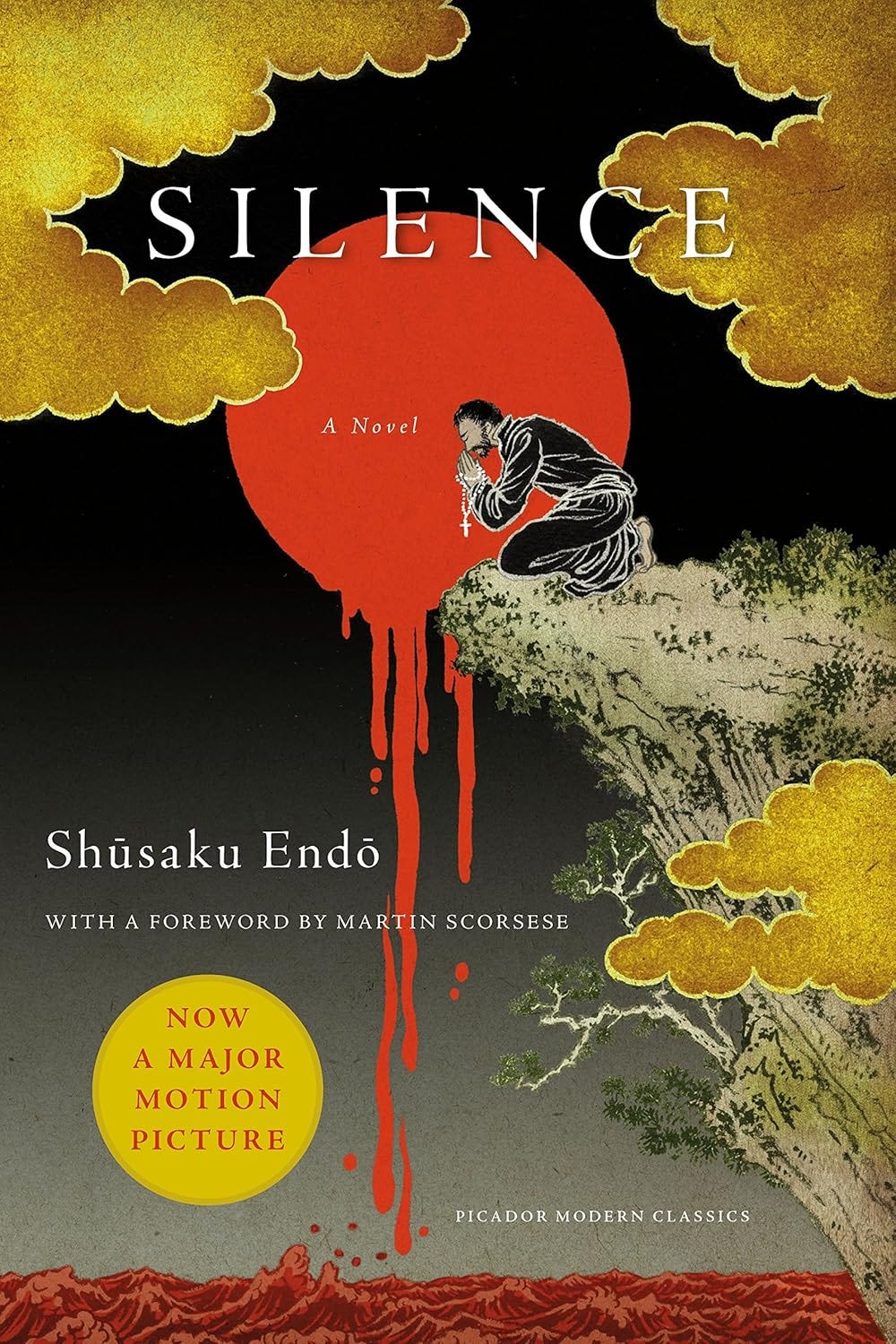
I have an extra (brand new!) copy of the haunting novel Silence by Shusaku Endo that I found while organizing my library and will give away to one paid subscriber! Just write SILENCE in the comments and I will pick one winner to receive this book. It is a challenging but outstanding work, one I wrote about in my chapter on the virtue of hope in On Reading Well: Finding the Good Life in Great Books.
***
Take a course with me!
Do you want to take a graduate course with me? Well, this year you have three opportunities to do so!
I will be returning to Institute for Christian Studies to teach a six-week online course centered on my book, The Evangelical Imagination (affiliate link), beginning in March. Details to come (watch this page).
I will be teaching a similar online course in June (once a week for four weeks) at Bethel Seminary. Details here. (Also, I have a discount code to offer for this course: SEM45)
Also in June, I will be teaching an in-person class at Regent College in Vancouver on Flannery O’Connor. Details here.
“Absolutely unmixed attention is prayer.” – Simone Weil2
As an Amazon affiliate, I may earn a small commission from qualifying purchases through the links to books included in this post.
Simone Weil, Gravity and Grace, trans. By Emma Crawford and Mario von der Ruhr (London: Routledge, 2002), 117.
SILENCE
As an optometrist for the past 35+ years, there are also visual processing challenges that slow our reading as we age that can be quite frustrating. Some easy tips: good lighting, dedicated reading glasses ( not a progressive or bifocal), and a reading distance of 14-18” with your reading material always down and centered well. And, remember the 20/20/20 rule. Every 20 minutes look 20 feet away and forcefully blink 20 times. This helps with your tear layer which is the 1st refracting lens of the eye.
This post inspires me! Thanks for pointing me to 100 Days of Dante. I have read The Divine Comedy every few years for decades. I get so much from it every time. Different translations make it fresh. We have a four-couple book club we have been part of for years. Each couple hosts once a year, chooses the book, and leads the discussion. The eight of us have become very close. It means I read books I would never have chosen, but (nearly) always profit from!